Retail Designer
Working in art and design careers
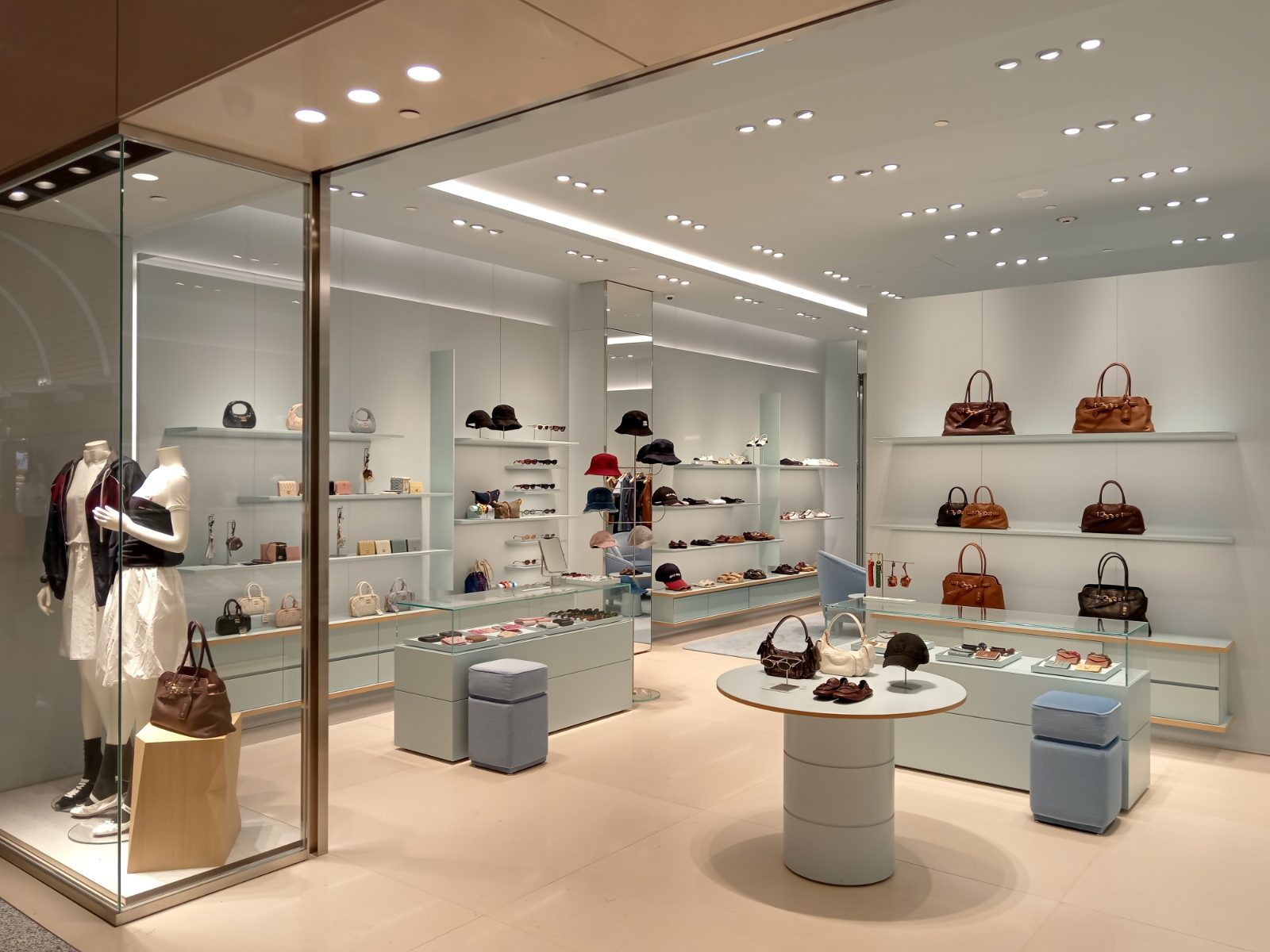
Retail design is a career driven by passion, at the crossroads of design, interior architecture, marketing and customer experience. Creative and strategic, the retail designer imagines the spaces in which brands meet their customers: shops, concept stores, department stores, in-store corners, showrooms, pop-up stores and event spaces.
Overview
Retail design is a career driven by passion, at the crossroads of design, interior architecture, marketing and customer experience. Creative and strategic, the Retail Designer imagines the spaces in which brands meet their customers: shops, concept stores, department stores, in-store corners, showrooms, pop-up stores and event spaces.
Their goal? To turn a retail space into a genuine brand experience. They work on volumes, circulation, materials, colours, lighting, furniture and product staging in order to create a place that is attractive, functional, instantly recognisable and consistent with the brand’s world.
The responsibilities of a Retail Designer, step by step
The Retail Designer designs and fits out retail spaces, taking into account the brand’s expectations, users’ needs and the technical and commercial constraints of the project.
Their work usually begins with an analysis of the brief and of the brand identity. They seek to understand its positioning, its values, its products, its customers and the objectives of the outlet. From this analysis, they devise a spatial concept and a genuine customer experience.
1. Analysing the brand and the brief
The Retail Designer starts by getting to know the brand’s world and the objectives of the project:
- brand identity and brand territory;
- target audience and consumer behaviour;
- positioning and commercial offering;
- constraints of the site;
- budget and schedule;
- commercial objectives and the experience sought.
This analysis phase makes it possible to define the broad direction of the project.
2. Devising the retail concept
The designer then develops a concept that translates the brand identity into space, working in particular on:
- volumes and the layout of the space;
- circulation and the customer journey;
- materials and finishes;
- colours and textures;
- lighting;
- furniture;
- signage;
- product display systems.
The aim is to create a coherent, recognisable world suited to the way the space is used.
3. Designing the customer experience
The Retail Designer thinks about how the customer will experience the space. Where will their eye be drawn? How will they move around? Which products will they discover? Which areas should attract their attention? Where should they be able to stop, try things out, touch or talk to staff?
The customer journey thus becomes a genuine design tool.
4. Turning the concept into a project
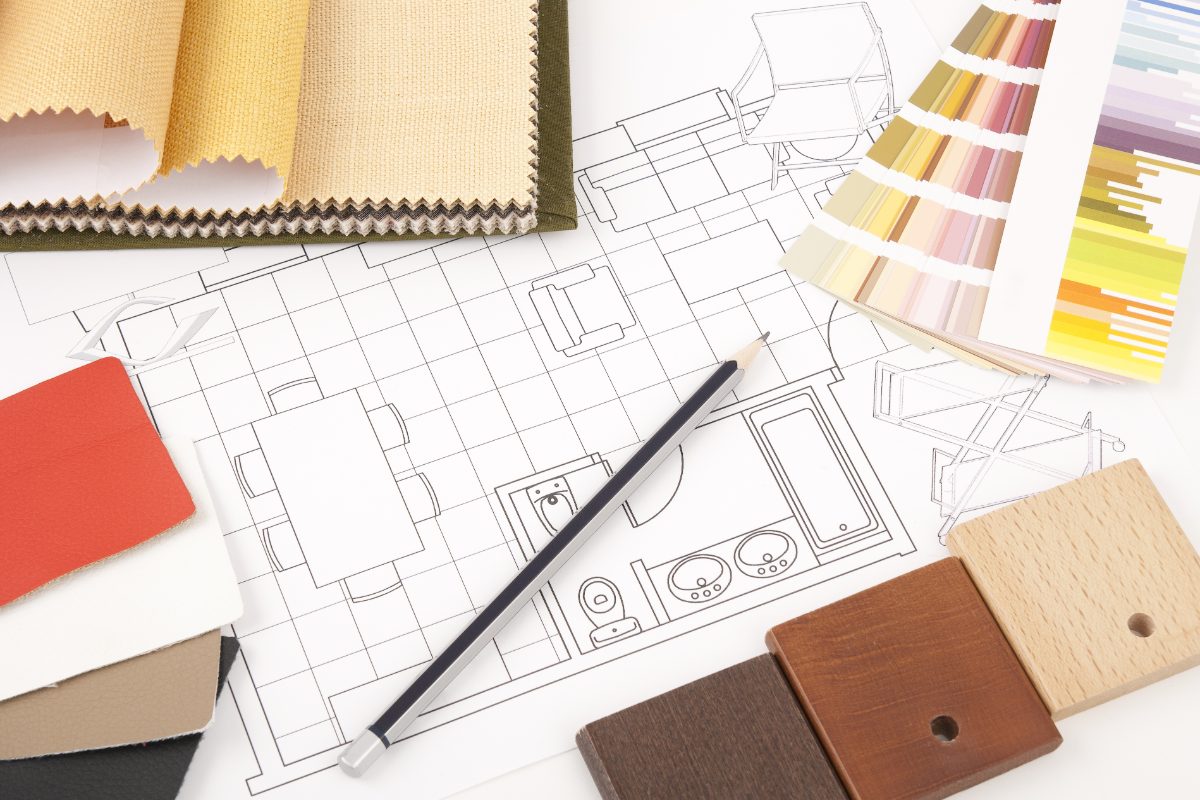
Once the concept has been approved, the Retail Designer turns it into concrete proposals: plans, sketches, moodboards, perspective drawings, 3D models, material choices and technical documents.
They may also produce prototypes or work on specific elements such as retail furniture, window displays, display units or event spaces.
5. Coordinating delivery
Depending on their role and the organisation they work for, the Retail Designer may oversee the delivery of the project and work with a range of partners: architects, engineering consultancies, manufacturers, shopfitters, graphic designers, visual merchandisers, lighting designers and marketing teams.
They then make sure that the concept they devised is properly translated into the space.
What career opportunities are there in retail design?
Retail design offers a wide range of career possibilities. The Retail Designer can work for specialist agencies or directly in-house for a brand, particularly in the luxury, fashion, beauty, mass retail, hospitality and automotive sectors.
With experience, they can move into design, art direction or project management roles.
Retail design is a constantly evolving field. The growth of experiential retail, phygital and omnichannel approaches, new consumer habits and environmental concerns are gradually transforming the way retail spaces are designed. Designers therefore need to stay curious, observe how behaviour is changing and keep a constant watch on trends, materials and innovations.
Retail Designer, interior architect or visual merchandiser?
These three professionals may work on the same project, but their roles are not the same.
The Retail Designer designs the overall experience of a retail space. They work on interior architecture, circulation, atmosphere, furniture, materials and the expression of the brand in space, taking into account how the space is used and the commercial objectives.
The interior architect takes a broader approach to the design and layout of interior spaces. They may work on homes, offices, hotels, restaurants, shops or cultural venues. Their training includes a significant technical dimension linked to designing and fitting out spaces.
The visual merchandiser focuses more on commercial staging and product presentation: window displays, layout, display units, signage and the atmosphere of the outlet.
In short: the Retail Designer thinks of space as a brand experience and a commercial tool. They sit at the meeting point of spatial design, retail architecture, merchandising and marketing.
What qualities do you need to become a Retail Designer?
Above all, the job calls for a strong creative sensibility, but creativity alone is not enough. A good Retail Designer needs in particular:
- Creativity, to come up with distinctive concepts;
- Curiosity, to keep up with trends and changing habits;
- Powers of observation, to understand consumer behaviour;
- An eye for aesthetics, to work with shapes, colours, materials and atmospheres;
- Rigour, to turn an idea into a workable project;
- Brand awareness, to translate an identity into space;
- Command of 2D and 3D design and visualisation tools;
- Interpersonal skills, to work with clients and the various partners involved;
- Team spirit, to work alongside creative, technical and commercial profiles;
- The ability to manage a project within budget, deadline and feasibility constraints.
What is a Retail Designer’s salary?
A Retail Designer’s pay varies according to their level of experience, their employment status, the sector they work in and the size of the company or agency.
As a guide, a junior Retail Designer can start at around €28,000 to €35,000 gross per year, or roughly €2,300 to €2,900 gross per month.
With a few years’ experience, an established Retail Designer can reach around €40,000 to €55,000 gross per year, or €3,300 to €4,600 gross per month.
Senior profiles, experienced project managers or those moving into retail art direction roles, can reach €55,000 to €75,000 gross per year, and more in some large companies or in positions carrying heavy responsibility.
These figures are given as a guide. Pay can vary considerably depending on the sector, the size of the company, the region, the level of responsibility and any performance-related element. The data available for 2025-2026 shows significant differences between profiles and between employers.
How do you get started?
To become a Retail Designer, it is advisable to take a course in spatial design, interior architecture or design, and then to specialise in the world of retail and brands.
Professional experience matters a great deal in this sector. Placements, work-study programmes and projects carried out with companies help you understand the real constraints of the job and gradually build a portfolio.
The portfolio is central to recruitment. It shows your ability to develop a creative approach, build a concept and translate it concretely into space.
To stand out, it is therefore essential to present a varied range of projects: a shop concept, a pop-up store, a showroom, a brand space, retail scenography, retail furniture or a customer experience.
What should you study to become a Retail Designer?
There is no single route to becoming a Retail Designer. Courses in spatial design, interior architecture or design nevertheless provide an excellent foundation for acquiring the skills needed to design retail spaces.
A Bachelor’s course can then be followed by a specialisation or a Master’s to qualify as an interior architect.
The spatial design programme offered at ESDAC allows students to work on a variety of project types, including retail spaces, event venues and brand spaces.
See the possible pathway at ESDACWhat profile do you need to succeed?
Do you enjoy imagining spaces, following trends, understanding behaviour and telling a brand’s story? Are you creative, curious and organised all at once? Retail design could be the career for you!
It is a career particularly well suited to those who want to combine creativity, design and strategy while working on concrete, highly visible projects.
From the local boutique to the flagship store of a great luxury house, from the pop-up store to the concept store, the Retail Designer imagines the places where brands come to life.
Would you like to train in spatial design and move into retail design? Discover the ESDAC programmes.
ApplyDiscover other careers
Explore the other design careers open to you with ESDAC programmes.


Need help choosing your programme?
Our admissions advisers will help you choose the programme that matches your career plans.